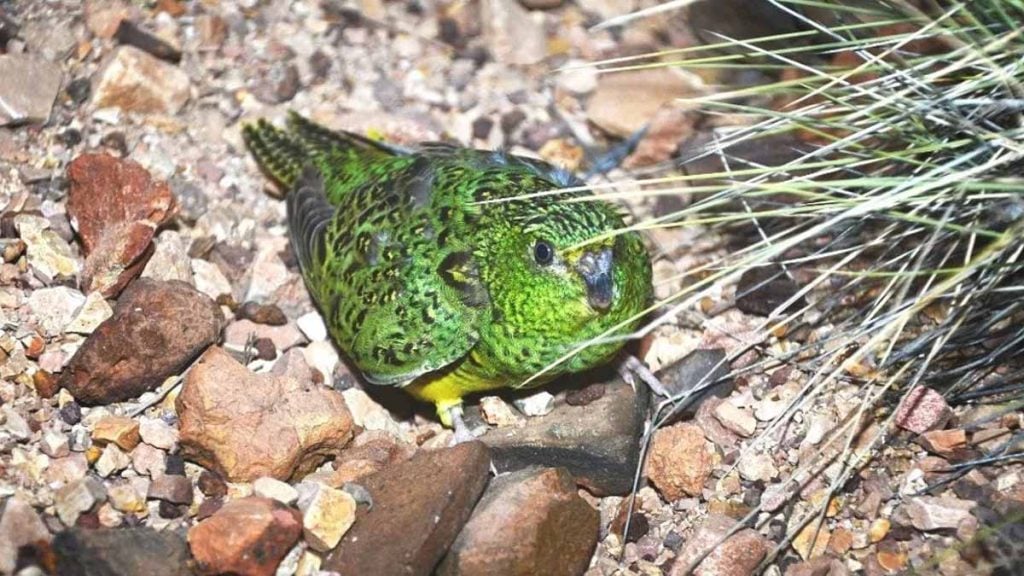
A glimpse of green in the spinifex can flip a story in an instant, because hope sometimes hides in plain sight and waits for years. The rediscovery of a shy bird raises urgent, practical questions: where it lives, what threatens it? And which simple actions keep its shelter, its quiet, and its future intact through harsh seasons in the interior, where heat, fire, and silence often set the terms of survival.
Mapping a shy bird in moving desert soundscapes
From 2020 to 2023, Indigenous rangers and scientists placed rugged audio recorders across dozens of sites and let the desert speak overnight. Distinctive calls became pins on a map that guided follow-ups. When devices confirmed activity, camera traps watched those places to see which predators passed a bird.
They also collected predator scat to learn what the hunters had eaten, and added decades of satellite imagery to track how often fires rolled through surrounding country. Each layer sharpened the picture: roosts by day, movements by night, pressures between. Methodical steps replaced luck with repeatable, defensible evidence.
Local knowledge anchored each decision, because rangers read country like a living archive. Their sense of tracks, grass age, and water pockets focused the search where it mattered most. Instruments worked while people slept, and together they revealed patterns no single technique could have shown alone, reliably.
Fire rhythms and shelter: giving a ground-roosting bird cover
Daylight safety rested on old, dense spinifex, especially bull spinifex, Triodia longiceps. Dome-shaped clumps stay cool and opaque, hiding a ground nest from heat and eyes. Younger, sparse grass does not protect the same way, and when mature clumps vanish, years pass before a bird gains that cover again.
Lightning and long dry spells can spark fast-moving blazes across the Great Sandy Desert. When fire returns too often, habitat resets before clumps harden into protective domes. Records around roosts showed burn intervals of only several years, a quick cycle that risks keeping country permanently young and exposed.
Practical fire management offers a fix. Cooler, well-timed burns create a mosaic of fuel breaks that slow dangerous fronts. That patchwork limits the chance of a single, high-intensity wildfire erasing shelter in one sweep. Knowledge of season, wind, and fuel guides burns that protect the structures life depends on.
Predators, balance, and why dingoes matter
Cameras often captured dingoes moving near roosting country, which can seem ominous beside a small parrot. Scat told a different story: cat remains appeared frequently. Feral cats hunt silently at night and can devastate fledglings, so lowering their pressure protects a ground-roosting bird when it leaves cover.
Dingoes appear to help by pushing cats away or preying on them outright. Reduce dingo presence and cats may surge; keep dingoes on the scene and cat pressure may fall. For a ground-nesting species, fewer cats near roosts increases the odds that chicks survive their first weeks.
Control plans work best when they avoid collateral damage to this stabilizing role. Programs that harm dingoes can open the door for stealth hunters, reversing gains. Because food webs are tight in arid ecosystems, small shifts ripple quickly through shelter, predation, and recruitment, often faster than people expect.
Numbers, fire cycles, and the risk of one bad season
Based on call detections and how many individuals vocalized at once, the team estimated about fifty night parrots within the protected area. For a species with very few confirmed records elsewhere, that number signals a crucial stronghold. Each estimate matters because every bird counted shapes which patches receive urgent protection.
A single rough fire season could flatten mature spinifex over wide sandplains. Fresh disturbances like vehicle tracks, new weeds that alter fire behavior, or grazing stock could bend the system further. Because shelters take years to form, one mistake echoes long after flames pass across fragile country.
Fire records around roosts showed frequent burns measured in years rather than decades. That tempo demands steady, preventive action shaped by local judgment and detailed maps. With patient, patterned burns and minimal disturbance, habitat can age into opaque domes that ground-roosting parrots trust for dependable daytime safety.
What to do now: burns, predators, and better counts
Fire strategy should center Indigenous rangers’ local knowledge and modern mapping, using cooler-season burns to reduce fuel and set breaks. Patchy mosaics slow summer wildfires before they race across roosting country. Disciplined work, applied year on year, stacks advantages for a bird that cannot absorb repeated resets.
Predator control should respect the dingo’s influence, since dingoes likely suppress cats around key sites. Programs that target cats while avoiding non-target impacts help keep the balance that helps nests. Quiet landscapes also matter: fewer disturbances and no grazing stock help vegetation hold its tight, protective form.
Sharper monitoring can refine the map and guide priorities effectively. Genetic tools, including DNA from feathers, can confirm presence without a sighting, while tiny tracking tags reveal nightly travel and dry-season hotspots. Together, these tools direct effort toward the patches that determine survival through the lean months.
What this rediscovery means for Australia’s desert caretakers
Careful alignment between rangers and scientists turned scattered clues into a plan that serves species and country. Old spinifex, considered alongside fire timing and predator dynamics, now guides practical choices on the ground. Keep cats in check, keep shelters maturing, and a shy bird can trade myth for measurable recovery, while country holds its rhythm, its breathable shade, and the quiet needed for breeding after hard seasons. That steady work begins again tomorrow.