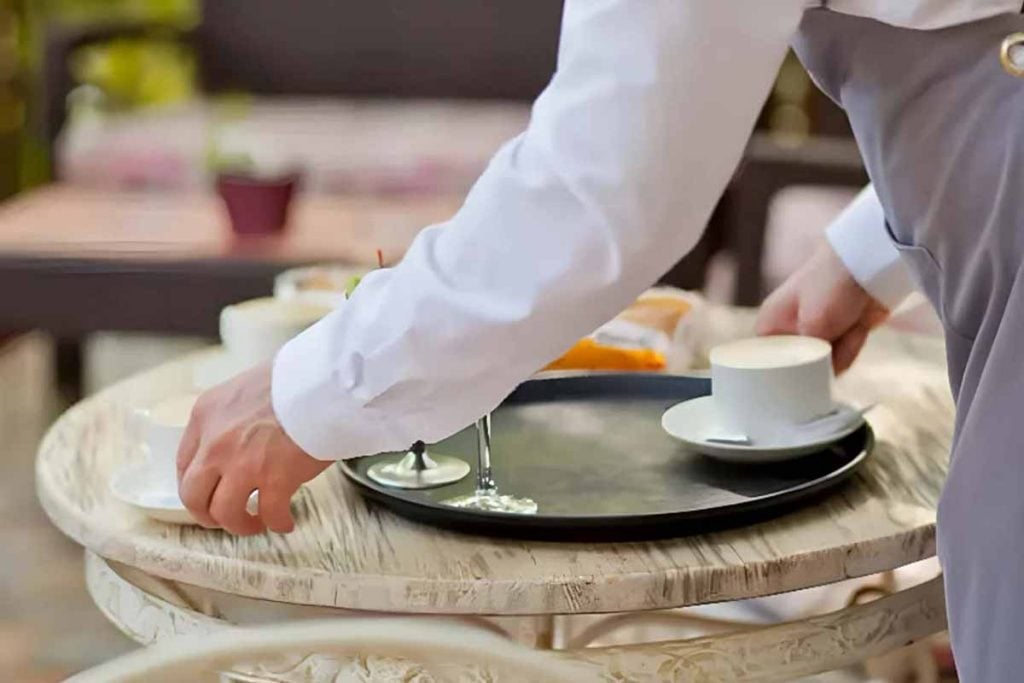
A quiet shuffle of plates can say more than a long conversation. When someone tidies the table or stacks dishes, the gesture looks simple, yet it often reveals how they think about work, fairness, and other people. Because social cues pile up fast, one move can hint at empathy or control. People who help a waiter may show care, although the same act can mask nerves. The meaning depends on motives, habits, and context, which is why psychologists study these tiny moments closely.
Manners, motives, and the psychology of small favors
Prosocial behavior describes voluntary actions that benefit others, often without reward, so a small favor becomes meaningful when no one asks. Francisco Tabernero, who studies such behavior, links these gestures to empathy and social responsibility because they reduce another person’s load. The intent matters, yet the outcome still eases work, and the relief is real.
Families and cultures teach everyday respect, while early experiences shape what feels normal around service roles. People who grew up clearing tables may repeat the habit automatically, and the routine signals stable values. Because practice becomes instinct, a neat stack of plates reads as cooperation, not performance, when it flows naturally.
Many guests simply pitch in because the server looks swamped, and the need feels obvious. They help a waiter to keep things moving, and the room runs smoother, which others notice. The courtesy travels well across settings, since lightening someone’s load builds rapport, strengthens trust, and keeps social friction low.
What does help a waiter reveal about motives?
Kindness explains part of the gesture, while humility often completes it, because the helper accepts a supporting role. The person notices effort around them, measures the cost, and chooses to act, so empathy becomes visible. That decision signals awareness of invisible labor and a preference for fairness.
Values learned young surface in tiny choices, and the pattern persists when rewards stay absent. People who respect behind-the-scenes work tend to respect boundaries, while they also respect time. The stack, then, resembles a social handshake, since it says, “I see you,” without words or ceremony.
Motives vary, and generosity sometimes mixes with discomfort, so reading the cue demands care and context. Someone may help a waiter mainly to avoid awkwardness because waiting feels tense, and silence stretches. The action still helps, although the purpose leans inward, which complicates how others interpret the move.
Anxiety, approval, and passive assertiveness
Psychologists describe passive assertiveness when people seek approval through pleasing behavior rather than stating needs directly. The person wants harmony, so they reduce tension by stepping in, while real preferences stay hidden. Relief arrives quickly, yet the pattern can blur boundaries and leave honest conversation for later.
Fear of judgment nudges some guests to tidy fast because they worry about seeming rude. Plates get stacked before anyone asks, and discomfort drops, while the signal appears helpful. The relief is real, yet the habit can crowd out simple patience that respects timing and roles.
Anxiety can ride along with control, and both feel calmer when order appears, so clutter becomes a target. People who crave neatness will help a waiter to restore symmetry because tidy tables soothe nerves. The benefit remains, although the driver is comfort, not kindness, which complicates quick moral readings.
How teams benefit when people help a waiter instinctively
Small, voluntary assistance scales well inside organizations, and the effect compounds because friction declines. In workplaces, employees who pitch in on low-glamour tasks improve flow, while teams learn reliability. According to a Journal of Applied Psychology meta-analysis covering nearly 10,000 employees, prosocial behavior boosted productivity and cohesion.
The same gesture can start from empathy, habit, or restlessness, and outcomes still look helpful. A colleague who files, fetches, or proofreads reduces someone’s load, while shared attention builds trust. Because those micro-moves signal commitment, the group spends less time on blame and more time on goals.
Intent still matters for sustainability, since anxiety-driven help burns energy, while autonomy protects it over time. People who assist from values maintain steadier pace, and feedback stays honest, which preserves boundaries. They may help a waiter in a restaurant, and they carry that mindset to projects and meetings.
Orderliness, control, and the need to tidy up
Some personalities chase clarity because visual clutter feels noisy, so organizing becomes a reflex. The plate stack forms quickly, and satisfaction rises, while others label the move “helpful.” The motive points inward, yet the environment improves, which shows how mixed drivers can yield social benefits.
Control can mask impatience when waiting feels unproductive, so hands reach for nearby tasks. The urge pushes action before requests arrive, and tension drops, while rhythms accelerate. People prefer momentum, not mess, and the result looks considerate, even when comfort, not empathy, directs the choice.
Because perception differs across diners and staff, context matters, so asking can refine the gesture. A quick “Is this helpful?” respects the workflow and timing, while consent keeps boundaries clear. The person still help a waiter once invited, and collaboration replaces guessing, which leaves everyone at ease.
A simple gesture that hints at character, though motives still vary
A stack of plates can whisper empathy, signal tidy comfort, or soothe shy nerves, and the difference matters. People who pitch in often value fairness and flow, while some simply crave order when pauses stretch. When you help a waiter, you lighten a shift and reveal your mindset, although only context clarifies the story.