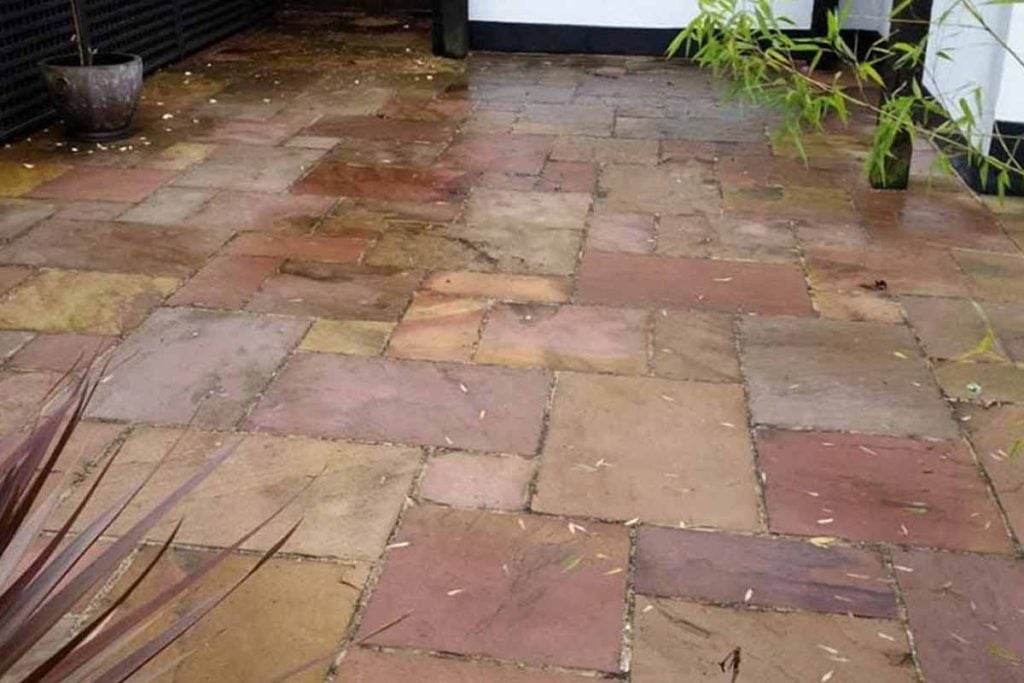
A rust-tinted sidewalk, a terse notice, and a puzzled homeowner. The stage is set for a familiar clash with an HOA. In this case, well water used for sprinklers leaves iron stains on neighborhood sidewalks. A letter arrives telling the resident to “clean it.” Confusion grows because the board previously handled path work. The owner believes driveways are private, but sidewalks fall under common areas. The question is simple, yet thorny: who cleans, who pays, and why now?
Why the notice stings and what the rules actually say
The heart of the dispute is responsibility. Iron in the irrigation water discolors the concrete, and the notice says “remove the rust.” The homeowner points to a history of path repairs by the association and asks why this is suddenly on them. Ambiguity breeds frustration and invites conflict.
Responsibility often depends on governing documents and local rules. Many communities require owners to keep the frontage tidy, even where sidewalks are technically common. Others assign all common-area sidewalks to the association. The only way to be sure is to read the CC&Rs and city code, then match duties to the exact location.
When language is vague, clarity matters more than instinct. Owners should ask for written confirmation that cites the clause controlling sidewalks, stains, and routine cleaning. That creates a shared record and reduces “he said, she said.” If common areas are neglected, owners can press the board to meet its maintenance obligations.
Where HOA responsibility stops and homeowners’ duties begin
Communities often split duties. The association maintains parks, trails, and purely common walks. Owners maintain areas abutting their lots when local ordinances say so. Some cities assign adjacent owners snow, leaf, and hazard removal. Those same rules can be read to include stain cleanup, depending on the wording and enforcement history.
Boards sometimes argue that “your sprinklers caused the stain,” therefore “you must clean what your system dirtied.” Management guides echo that position for frontage areas. The reasoning is simple: source equals responsibility. Yet it still must match the governing documents and any municipal code before it becomes an enforceable duty.
Because the association previously repaired the paths, owners can reasonably ask for consistency. Request the page and paragraph the board relies on, and ask whether prior work signals an assumed duty. That message should be calm, dated, and saved. A respectful paper trail keeps everyone honest and narrows the disagreement. Ask the HOA to answer in writing.
Stains, wells, and why aggressive cleaning can backfire
The orange cast has a mundane root. Iron in groundwater oxidizes when sprayed and exposed to air, leaving rusty deposits on concrete and nearby surfaces. It looks bad, but the chemistry is straightforward and common wherever wells feed irrigation. Treat the water or manage the spray, and stains fade or stop forming.
Pressure-washing seems easy; however, runoff can carry detergents, metals, and sediments into storm drains and waterways. Those systems often receive little treatment. The result is avoidable pollution and potential fines where best-management practices are ignored. Residents want clean walks, yet they also want safe streams and groundwater. That balance requires method, not haste.
Frequent blasting can scar concrete, strip joints, and stress surrounding turf. It also burns water in dry months. When pressing for quick fixes, the HOA should weigh aesthetics against erosion, plant damage, and water stewardship. Local utilities and watershed agencies warn about exactly these trade-offs, and advise capture or containment of wash water.
Practical fixes the HOA can sponsor without harming lawns
Address causes first. Iron filters, sequestering systems, or injection units on shared lines reduce staining before it starts. For private systems, owners can fit point-of-connection solutions. These options cost money; they also cut maintenance cycles and protect landscaping, which lowers long-run costs and conflict.
If surface cleaning is still needed, do it responsibly. Require contractors to capture wastewater, avoid harsh acids, and use equipment that limits splash into beds. Simple containment keeps pollutants out of drains and away from well heads. Responsible methods protect concrete life, nearby plants, and local waterways.
Create a schedule everyone understands. The board can define acceptable stain thresholds, set a rotating cleanup calendar, and budget reserves accordingly. Document decisions in open meetings and minutes. Transparency reduces surprise notices, while steady upkeep preserves curb appeal and values without emergency crackdowns. When rules are clear, compliance is easier to accept.
A calmer path to resolve a muddled violation
Start by decoding the notice. Ask for the exact rule, the evidence of violation, and the deadline. Inspect, photograph, and note conditions, including irrigation spray patterns and nearby landscaping. Share findings with the manager. With facts on the table, solutions emerge faster and tempers cool.
Write a short, respectful letter. Request clarification if the rule citation is thin, and ask whether a meeting is possible. If positions harden, propose mediation or another neutral forum. Many associations welcome structured dialogue; it lowers costs and keeps neighbors neighborly.
Online reactions often split just like this case. Some say “you stained it, you clean it.” Others call frequent washing wasteful and risky, and suggest filtration instead. Whatever the view, handle any fine or deadline properly: comply, appeal within the window, or negotiate a reasonable plan.
Why clarity, water safety, and fairness can live together here
This dispute is solvable because facts are ordinary, not mysterious. Iron causes stains; unclear rules cause friction; forceful cleaning can carry real costs. Ask the board to match duties to documents, and to consider source-level fixes before punitive notices. A fair, written plan lets the HOA protect curb appeal while residents protect lawns, wallets, and water.