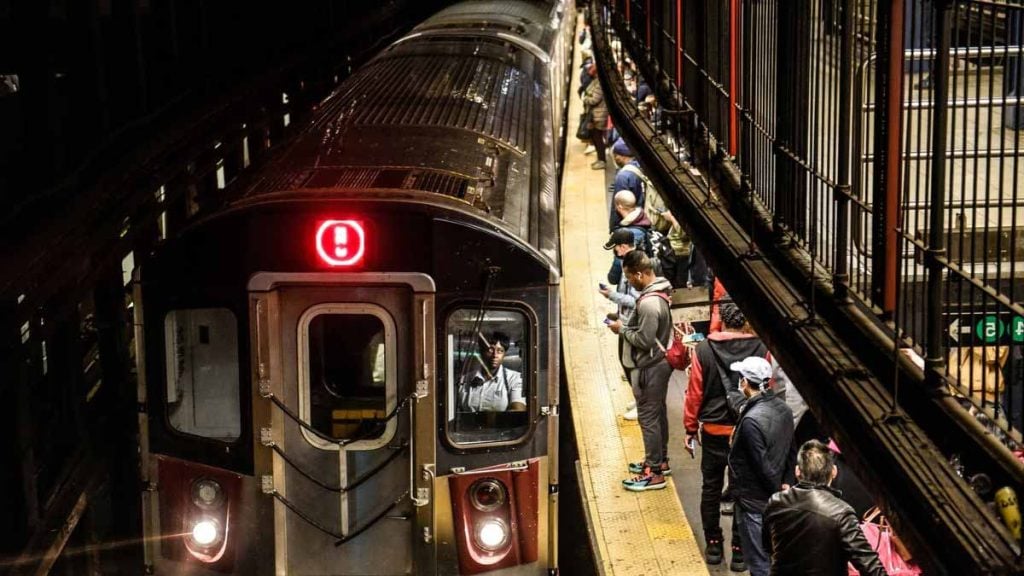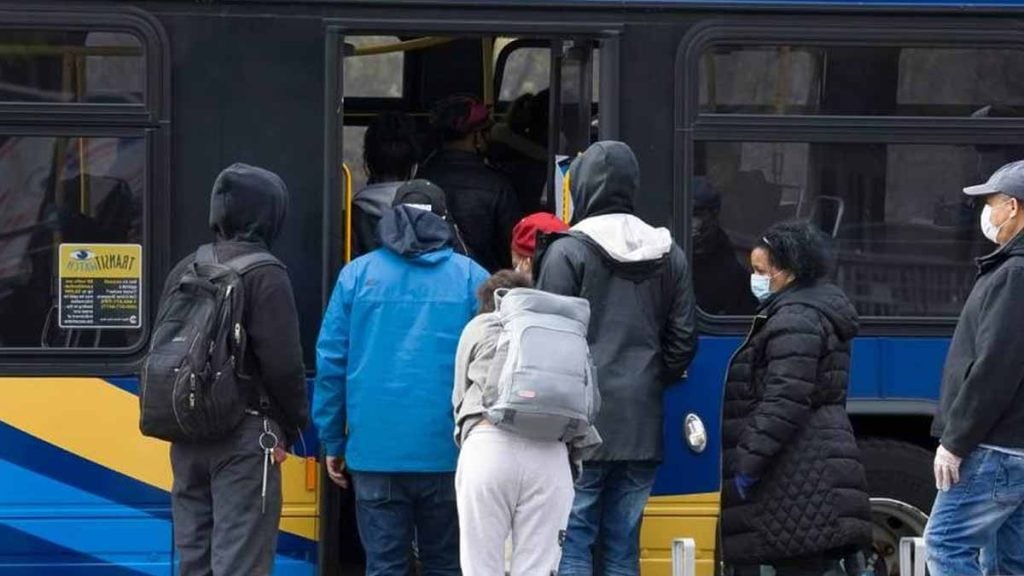
A quiet change with big stakes is coming to New York’s buses: civilian agents, not police, will check payments after riders board, borrowing a European playbook to curb fare evasion. The aim is simple and pragmatic. Keep buses moving, verify taps with OMNY, and recover revenue lost since habits shifted during the pandemic. Signals from the MTA are clear, even if the exact timeline isn’t: the shift happens once OMNY is fully in place. Riders should expect checks on board and at busy stops.
Why a ‘European model’ targets fare evasion on buses
The MTA will deploy roving civilian agents who ask riders to show a phone, card, or wearable to validate a prior tap. It mirrors proof-of-payment systems abroad. Gates don’t slow boarding; inspections do the enforcing. Lieber framed it as a practical fix, not a crackdown, for a long-running problem.
NYPD resources focus on the subway, leaving buses with less fare enforcement. That gap widened when all-door boarding protected drivers during COVID. Riders got used to entering at the rear. The agency, by its own admission, never fully reset norms. That’s where systematic checks can help deter fare evasion without slowing doors.
Agents would circulate through vehicles and hubs, verifying payment with mobile devices. Conversations stay brief; the goal is compliance, not confrontation. Where rules are clear, evasion drops. Where ambiguity lingers, bad habits persist. Roving checks add visible certainty while keeping operators out of fare disputes.
How roaming validation would work on NYC buses
Proof-of-payment starts with a tap—phone, OMNY card, bank card, or MetroCard where still active—then spot checks confirm it later. Inspectors ask to see the credential, scan, and move on. The method keeps boarding fast, because riders don’t queue at fareboxes while buses sit at the curb.
European systems rely on frequency and randomness. Checks feel routine, yet unpredictable. Riders learn that skipping a tap is likely to be noticed. New York’s version would look similar once OMNY reaches full coverage. Each step matters because fare evasion thrives when enforcement is sporadic or delayed.
Comparisons are useful but not identical. NYC’s scale is unique; bus stops and routes vary widely. Inspectors may cluster at high-loss hubs, then fan out. Communication will be crucial: clear signs, plain-language reminders, and consistent protocols. Done well, validation becomes just another quick part of the ride.
What riders should expect from civilian inspections
The MTA already uses EAGLE Teams—civilian squads that work with NYPD support at problem hubs. The new approach extends that logic to everyday service. Riders can expect short interactions and visible presence. Most checks end with a nod and a step forward. The aim is compliance and speed.
Rules must feel fair to work. That means training agents for calm conversations, clear escalation paths, and consistent outcomes. Riders who paid should pass in seconds. Those who didn’t should understand what happens next. When systems feel predictable, fare evasion falls because the risk outweighs the convenience.
Education matters alongside enforcement. On-board prompts, bus stop signage, and app reminders reduce mistakes. Many riders miss taps during crowded boarding. Others test the system. Guidance closes the first gap; inspections address the second. Together, they nudge behavior toward payment without turning buses into checkpoints.
The scale of fare evasion and the early impact
The money at stake is large. A recent watchdog analysis tied last year’s unpaid bus fares to roughly $568 million in losses. That is revenue that could fund more service, faster trips, and better reliability. Every sustained gain in payment helps stabilize schedules and budgets that riders feel daily.
Targeted enforcement has shown green shoots. Where EAGLE Teams concentrated, paid rides at those stops rose by 7% in March. Internal tracking also points to sequential quarterly declines on buses since the second quarter of last year. Trend lines aren’t victory laps, yet they suggest progress is possible against fare evasion.
Numbers don’t change habits alone. Visible checks, quicker taps, and less confusion at doors do. If riders see peers getting validated, they tap. If agents are present, they tap. And, if the rules are simple, they tap. Compliance becomes culture. That is the logic underpinning the European-style shift.
Timeline, OMNY rollout and unanswered operational questions
The agency ties the switchover to full OMNY implementation. That linkage matters: one tap language, one validation flow, fewer exceptions. It also explains why dates remain hazy. Full coverage comes first, then inspectors expand. Expect the MTA to phase in routes and hubs with the biggest gains.
Some details remain open. Will all-door boarding return systemwide, or only at select lines? How many agents ride each route, and when? A spokesperson offered no new specifics beyond Lieber’s remarks. Clarity will grow as the program scales and as fare evasion data guide deployment decisions.
Pandemic habits won’t unwind overnight. Riders were told to enter at the back to protect operators. That message saved health, yet cost fares. The toothpaste metaphor fits. Getting it back in the tube takes time, consistency, and patience. Civilian validation is a start. Norms, once restored, can stick.
What this shift could change for riders and routes long term
If executed with steady presence, transparent rules, and good communication, civilian validation can speed trips and lower fare evasion without putting operators in conflict. The bus feels safer when everyone contributes. The budget feels sturdier when taps match rides. And service planning gets easier when payment data are real.