Bring your change, leave with twice the spending power. A regional supermarket is turning penny jars into gift cards that double their worth. The move tackles a real coin squeeze, keeps cash checkouts fair, and gives families instant value without guesswork. For one short window, customers swap loose or rolled cents at the counter and walk away with store credit that stretches a future basket—simple rules, clear caps, and a feel-good boost, right when small coins matter most.
Keeping cash change flowing across six states
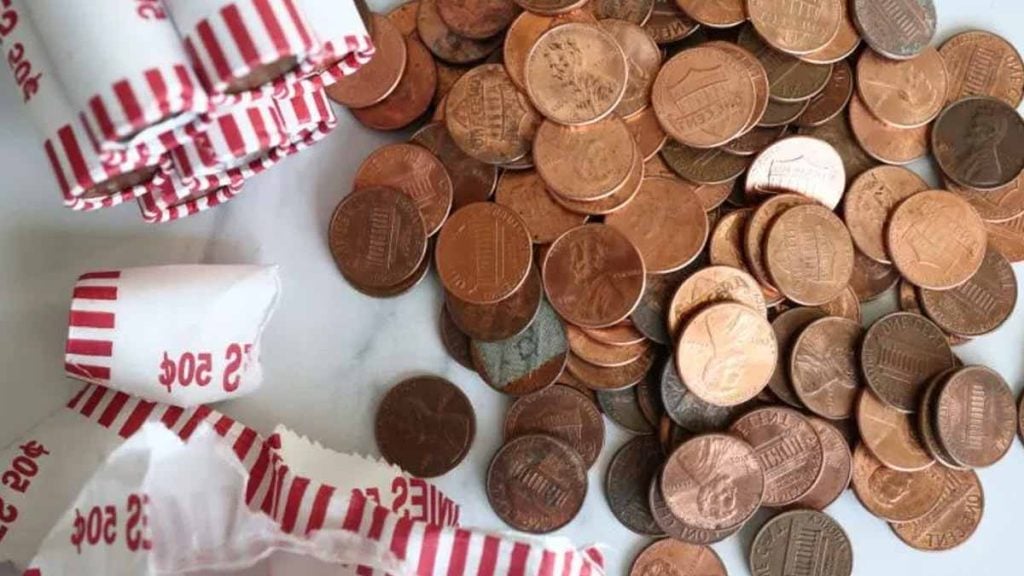
Price Chopper and Market 32 will host “Double Exchange Day” on Sunday, Nov. 16, from 11 a.m. to 4 p.m., in every store. Shoppers in Connecticut, Massachusetts, New Hampshire, New York, Pennsylvania, and Vermont can participate the same way. Bring rolled or loose pennies; staff count them and issue gift cards on the spot.
The mechanics matter for fairness and speed, and the supermarket spelled them out. Exchanges must total at least 50 cents and no more than $100. That means a $1 card at the floor and a $200 card at the ceiling. Odd totals count too. If you hand over $2.47 in pennies, you receive a $4.94 gift card.
The offer aims to ease a practical headache at checkout while rewarding community help. Staff get the coins they need; customers convert clutter into useful store credit. And because cards work on future trips, the benefit stretches beyond a single basket. Clear rules, short hours, and broad coverage help keep the experience orderly.
How the supermarket exchange works in practice
Arrive during the four-hour window and head to customer service. Lines may form, so pack patience and your neatest rolls if you have them. Loose coins are fine too. Team members tally your total, apply the two-for-one math, then load the value onto a card you can use later.
Come prepared. Count at home for a smooth handoff, or label rolls clearly. Respect the $100 limit; it speeds things up for everyone. Keep the card until your next shop, since it can’t dispense change like cash. This keeps registers from stalling and protects the exchange’s purpose.
Expect a brisk atmosphere. Some locations drew long lines during announcements and previews, so plan your arrival. The stores chose Sunday afternoon to balance weekend traffic with staffed counters. Clear timing, capped totals, and on-the-spot cards help finish each exchange in minutes.
Why the move resonates with cash customers
Coin scarcity hits cash payers first. When tills lack pennies, small overages or awkward IOUs creep in. That frustrates customers and slows lines. This swap shores up register change without squeezing shoppers. It also lets families turn forgotten jars into essential grocery credit.
Store leaders say the goal is service, not spectacle. President Blaine Bringhurst emphasized keeping cash transactions smooth “right down to the penny,” while lending families a hand across the six-state footprint. Ground teams echo the urgency; one Cicero, N.Y., manager warned holiday shortages could bite.
Community habits matter too. Many people hoard small coins in drawers and cars. Getting them moving helps everyone. The exchange builds that habit quickly while giving a fair bonus. Registers get change; shoppers get value; lines keep moving. Practicality, with a human touch.
A shrinking penny supply and a historic turning point
The backdrop is bigger than store logistics. The U.S. Mint hosted a ceremonial strike for the final circulating one-cent coin in Philadelphia on Nov. 12, 2025. Production costs outpaced value, and leaders closed the era after 232 years. That decision tightened coin availability rapidly.
Retailers now face rounding questions and checkout policy tweaks. Industry voices, including NACS’ Jeff Lenard, have long supported retiring the coin, yet they ask for clear guidance to avoid unfair rounding. Analysts warn of a “rounding tax” if practices vary widely across stores or regions.
Against that change, creative responses emerged. Some stores request exact change; others offer perks for coins. This program goes further by paying double in store credit. It rewards participation, keeps tills stocked, and aligns incentives during a delicate transition for cash-preferring households.
Why this supermarket initiative matters beyond one day
A strong design builds trust. Clear hours, firm caps, and instant gift cards create predictability. The stores handle counting, which keeps disputes low. Customers feel respected because odd amounts still double. The process treats pennies as real value, not nuisance metal to be rounded away.
There’s a broader retail lesson here. When policy shifts ripple through daily life, transparent incentives work better than scolding signs. This approach invites cooperation. It recognizes time pressure at checkout and meets shoppers where they are, including families riding out tight months. That empathy keeps loyalty strong.
Anecdotes show enthusiasm. One shopper hauled in 36 pounds—about $65—and walked out with a card near $130. Multiply that by a region, and you replenish thousands of drawers into functional change. The store gains fluid cash handling; customers bank future meals. That’s smart retail.
Closing thoughts on pennies, people, and practical value
As the last minting fades, the supermarket exchange turns small coins into real relief, while registers stay fair and fast. The rules are tight, the window is short, and the payoff is immediate. Bring the jars, earn double, and leave with credit that stretches the family basket without slowing tomorrow’s lines.