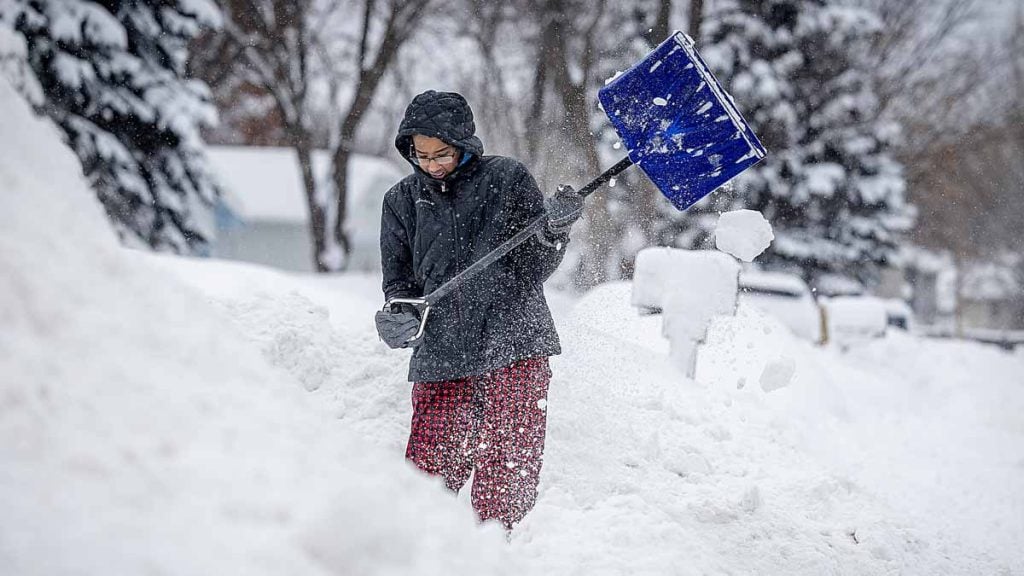
Winter chores look simple until the first flake reminds you how hard they feel. Clearing paths keeps life moving, yet the body pays when effort, cold, and speed collide. Experts now set clear guardrails for safety, especially as age and health change risk. If you plan to shovel snow, know who should be cautious, what strains the heart, and which habits make the work safer. A few smart choices can spare pain, panic, and a trip to the ER.
Who faces the highest risk when clearing driveways
Doctors warn that adults over 45 should be cautious before they shovel snow. Heart disease, high blood pressure, or high cholesterol raise the risk when strain and cold combine. Smokers, people with obesity, and anyone who moves little during the week need extra care. Talk with your clinician if unsure.
Age is not the only factor, because fitness, recent illness, and medications also matter. A person who trains legs and walks daily handles steady loads better than someone who sits. Cold morning starts hide danger, since tight vessels and quick effort spike blood pressure fast, before the body adapts fully.
People with known heart issues should avoid heavy lifting after a recent flare or procedure. Doctors often suggest light chores, short bouts, and rest between efforts while symptoms settle. When risk is higher, hire help or ask neighbors, so safety stays ahead of pride on icy, stormy days also outside.
How to shovel snow without overloading your heart
Shoveling taxes the body because arms drive the load while legs often stay still. When people shovel snow, they lift, hold breath, and strain against packed drifts. That static push, called the Valsalva maneuver, spikes blood pressure and heart rate, so oxygen demands rise while vessels tighten in cold air.
Arm work stresses the heart more than leg work, because small muscles ask more support. Limited leg motion also lets blood pool in the lower body, which starves the heart. Add sudden bursts of effort, and the system swings from idle to redline in seconds, especially on slippery steps outside.
These combined stressors explain why brief yard jobs sometimes trigger chest pain. The risk climbs when people rush, carry deep scoops, or twist at the waist. Safer pacing spreads effort across time, while smaller loads and forward tosses keep the spine neutral and the core engaged during winter storm cleanups.
Warning signs, common mistakes, and safer routines
Stop work at once if chest pressure, lightheadedness, palpitations, or irregular beats appear. People should call 911 if symptoms persist despite rest, warmth, and calm breathing. Because early action saves muscle and time, plan ahead and tell family where you will shovel snow and when, to reduce delay and uncertainty.
Common mistakes include starting fast, skipping breaks, and loading the blade until it stalls. People also twist to fling snow, which strains the back and neck during slips. Better form means bending knees, keeping the back straight, and pivoting the feet before each toss, so joints share load more evenly.
Warm up indoors for five minutes with marches and gentle squats before stepping outside. Layer clothing, cover the mouth and nose, and wear traction soles for grip on ice. Short sessions with water breaks limit fatigue, while neighbors can swap turns to keep effort modest, as storms pile snow repeatedly.
Why cold and static strain make shovel snow riskier as storms deepen
The American Journal of Emergency Medicine logged more than 200,000 adult injuries tied to snow shoveling from 1990 to 2006. More than 1,600 deaths were linked to the task during that period, which shows the stakes. People who shovel snow face surges that combine cold, effort, and breath holding together.
Retired American Heart Association expert Barry Franklin highlights five stressors at play. Static exertion strains the heart; arm work outpaces leg work; heavy loads promote breath holding; limited leg motion lets blood pool; cold air narrows vessels and coronary arteries. Each factor lifts pressure and cuts oxygen supply during shoveling.
Practical choices reduce exposure when storms hit. Use an ergonomic shovel, push thin layers, and clear early before drifts harden. People who struggle with chest strain, balance, or long driveways can hire help or switch to a snowblower, so winter tasks stop feeling like a test, for bodies under strain.
Tools, help, and timing that lower hazard
Choose a lightweight, curved, ergonomic shovel to spare wrists and back during longer jobs. Take frequent breaks before fatigue sets in, since early rest trims risk. People who plan to shovel snow should check weather, clear in stages, and dress warm with face covering to limit cold shock and slips.
Good form means lifting with legs, keeping the back straight, and moving feet to face the pile. Toss snow forward instead of twisting, because turns under load strain discs and hips. Short pushes with a pusher blade move volume safely, while small scoops protect shoulders and elbows through winter storms.
If the job is large, split the work with family or neighbors and set easy rotations. People with past heart events should ask a clinician about limits before winter. Hiring a reputable service also protects health, because the best choice is the one you keep repeating, as conditions change weekly.
A safer winter plan starts before the storm hits
Cold, effort, and breath holding make a risky mix, yet simple choices tilt odds back in your favor. Know your health, pace the work, and use tools that fit your body, then the driveway becomes manageable. If you feel pressure, stop at once and seek care rather than push on. And when the load looks too heavy, choose help. You can still shovel snow when it suits you, because safety grows from planning, not pride.