Key Points
- Processed peanut butter stays fresh for up to six months in a cool pantry, while natural peanut butter lasts up to two months in the refrigerator.
- Discard immediately if you notice mold, unusual odors, texture changes, or a rancid taste.
- Seal the jar tightly, stir natural varieties, and use clean utensils to extend shelf life.
Creamy, rich, and incredibly versatile, peanut butter is a household essential found in nearly every pantry. It’s perfect for smoothies, breakfast bowls, sandwiches, baked goods, savory recipes, and even creative snack combinations. No matter how you like it—smooth, crunchy, sweetened, or salt-free—proper storage is the key to keeping peanut butter fresh and flavorful. Here’s how to store different types of peanut butter and how to know when it’s time to throw a jar away.
Processed vs. Natural Peanut Butter
If peanut butter is a staple in your home, you likely have a favorite brand or texture. But understanding the difference between processed and natural peanut butter helps you store each type correctly:
Processed Peanut Butter
This is the familiar style many people grew up with—smooth or crunchy spreads made with added sugar, salt, and stabilizers such as hydrogenated oils. These ingredients prevent oil separation and give processed peanut butter a significantly longer shelf life.
Natural Peanut Butter
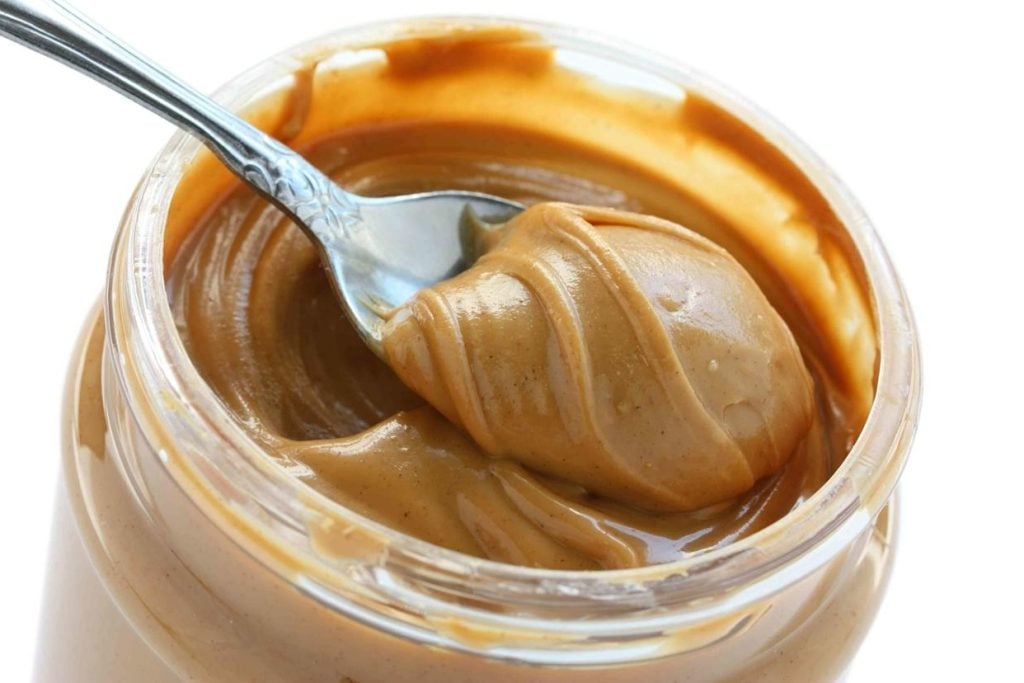
Natural peanut butter contains only peanuts, and sometimes salt—nothing else. Because it contains no stabilizers, the oils naturally rise to the top, requiring stirring before use. It also spoils faster than processed versions, making proper storage essential.
Related: Why Elvis Presley Swore By His Peanut Butter, Banana & Bacon Sandwich
Shelf Life of Opened Peanut Butter
Once the jar is opened, shelf life depends on the type of peanut butter and how it is stored. Here are the recommended timelines:
Processed Peanut Butter
- Up to 3 to 6 months at room temperature in a cool, dry pantry.
- Up to 9 months in the refrigerator.
Natural Peanut Butter
- Up to 3 weeks in a cool pantry.
- Up to 2 months in the refrigerator.
- Can be frozen for up to 6 months (thaw in the fridge before using).
Always read the label. Some natural varieties require refrigeration immediately after opening to prevent spoilage.
Signs Your Peanut Butter Has Gone Bad
Although peanut butter is shelf-stable, it doesn’t last forever. Watch for these signs that it’s time to discard it:
Visual Changes
Mold growth, unusual spots, or severe oil separation in processed varieties indicate spoilage.
Smell and Taste
If the peanut butter smells sour, metallic, or simply “off,” it has likely turned rancid. Do not consume it.
Texture Changes
Dryness, graininess, separation that can’t be stirred back in, or an overly stiff texture are signs the oils have oxidized.
When in doubt, throw it out. Rancid nut oils may pose health risks, and foodborne illness is not worth the gamble.
Tips for Properly Storing Peanut Butter
These simple storage habits can extend the life of any jar:
- Keep it sealed tightly: Prevents moisture, odors, and contaminants from entering the jar.
- Use clean utensils: Avoid double-dipping to reduce bacterial contamination.
- Stir natural peanut butter well: Reincorporating oils helps maintain a smooth consistency over time.
- Store in a cool, dry place: Heat speeds up oil oxidation and spoilage. Refrigerate when required.
Try Storing Natural Peanut Butter Upside Down
Here’s a simple trick that makes natural peanut butter easier to manage: store the unopened jar upside down. This pushes the oils toward the bottom of the jar, making the first stir dramatically easier. Once opened and stirred, store the jar right side up to prevent leakage.
With proper storage and attention to freshness cues, every jar of peanut butter—natural or processed—can stay delicious longer and maintain its quality for all your favorite recipes.